
The energy we use is usually measured in kilowatt-hours (kWh); 1 kWh is equal to 1,000 watts working for one hour. In 2022, the United States consumed 4 trillion kilowatt-hours (kWh) of electricity. And of that 4 trillion kWh, 1.
42 trillion were used in households. That’s almost 40 percent of U. S.
electricity going to power homes, which is more than either the commercial or the industrial sector uses. Advertisement Why the huge glut of energy consumption in the residential sector? Simple: Home appliances draw extreme amounts of energy. An appliance rated at 1,000 watts, left on for one hour, will use 1 kWh of electricity.
So, ? Accounting for 4. 4 percent of residential energy usage, lighting is the fifth biggest source of home energy consumption. The good news? New LED light bulbs use significantly less energy than incandescent bulbs and even .
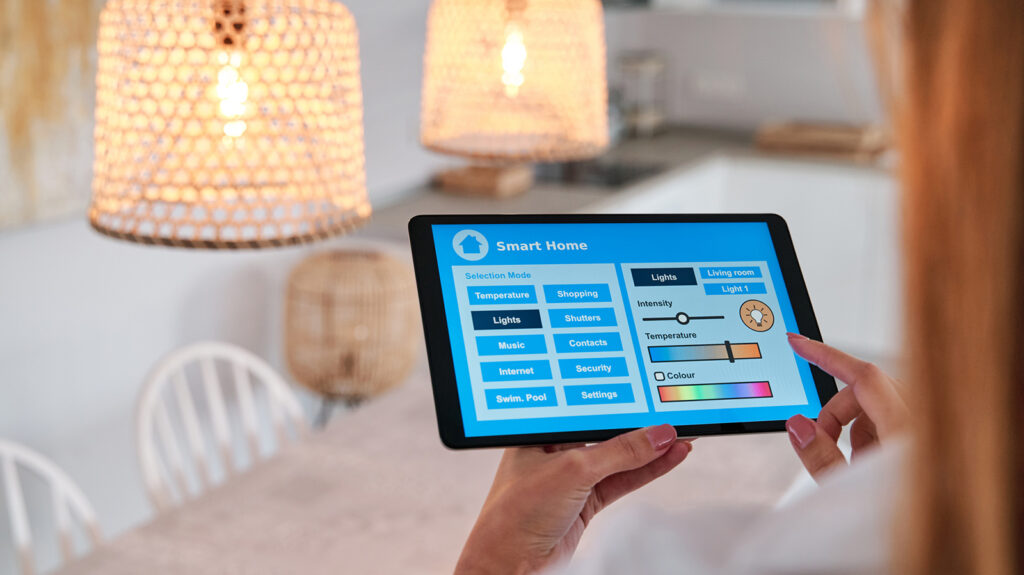
Swapping incandescent bulbs for more energy-efficient LED bulbs is one way to save money on energy bills and reduce your home’s energy consumption. Instead of leaving your outdoor security lights on all night, use motion-detecting lights. Advertisement Putting light bulbs on a timer can also ensure you don’t accidentally leave lights on when you don’t need them.
Refrigerators use the most energy of any kitchen appliance. How much energy your fridge uses, however, depends on your particular model. In 2023, Energy Star-certified refrigerators ranged in consumption from 88 kWh/year for a mini fridge to 807 kWh/year for a 31-cubic-foot (0.
88 cubic-meter) smart fridge. That’s the thing about energy ratings for any particular appliance: The range is vast. Some people still have fridges from the 1980s (or even earlier), which means they’re still using in the thousands of kWh every year (and enduring a commensurate electricity bill).
Advertisement If you have a brand new, high-efficiency unit, your electricity usage could be more like 400 kWh/year. And then there are all the other factors: model size, freezer orientation (top freezers are more efficient), temperature settings, device placement, refrigeration habits and any available energy-saving modes (more on these in a moment). Regardless of which model you have, there are steps you can take to reduce its energy use (although if your refrigerator/freezer is more than 15 years old, the most important change is to buy a new, energy-efficient model if you can afford it): According to the U.
S. Department of Energy, heating water was responsible for 11 percent of U. S.
home energy use in 2020. We use the water heater in so many applications: showers, cleaning dishes, cleaning clothes — it’s a pretty ubiquitous part of our daily routine. And at an average consumption of 400 kWh per month, it’s also a power-intensive one.
Advertisement Of course, the actual amount of energy you spend on hot water depends on a lot of factors, including the type (standard, solar, tankless) and size of your water heater, what temperature it’s set at, how long you shower for and whether you wash your clothes in cold or hot water. But no matter what model you have, you can do a few things to help your water heater perform more efficiently: A home heating system is one of hungriest home appliances. It’s also arguably the most necessary one.
The kWh range for heating devices is extremely broad, running from a measly 100 kWh per month to a shocking 3,500 kWh/month (if you live in a cold region, you’ve probably been shocked by your energy bill more than once). It all depends on which type of heat you use and how energy-efficient your particular model is. Advertisement Here are some approximate numbers for various heating systems: Other factors include where you set the thermostat and whether you have a programmable thermostat to cut back on wasted heat.
Upgrading to a more efficient heating unit is the best way to reduce your heat-related energy use — there are furnaces out there that operate at 97 percent efficiency, while your model may only be 78 percent efficient. Short of an expensive upgrade, you can also help your system work more efficiently and lower your kWh if you: And perhaps the best new habit to embrace: If you’re feeling a bit cold, put on a sweatshirt. In 2020, almost 88 percent of homes in the United States used air conditioning [source: ].
Air conditioning, which typically uses high-watt machines for extended periods of time, accounts for a big chunk of residential energy use. As usual, the actual number of watts consumed in cooling a home varies greatly depending on the type of unit, the capacity, the time it’s operating and the efficiency rating. An air-conditioning unit might use anywhere from 200 to 1,800 kWh/month.
Advertisement You can take some important steps to improve the efficiency of an air conditioner, including: You can also upgrade to a more efficient model or, on the other end of the spectrum, decide a little sweat might not be so bad for you after all. Determine how many kWh per day an appliance uses with this formula: You can find the wattage on the nameplate. Advertisement Or, just buy a watt meter like .
.
From: howstuffworks
URL: https://science.howstuffworks.com/environmental/green-tech/sustainable/5-energy-hungry-appliances.htm