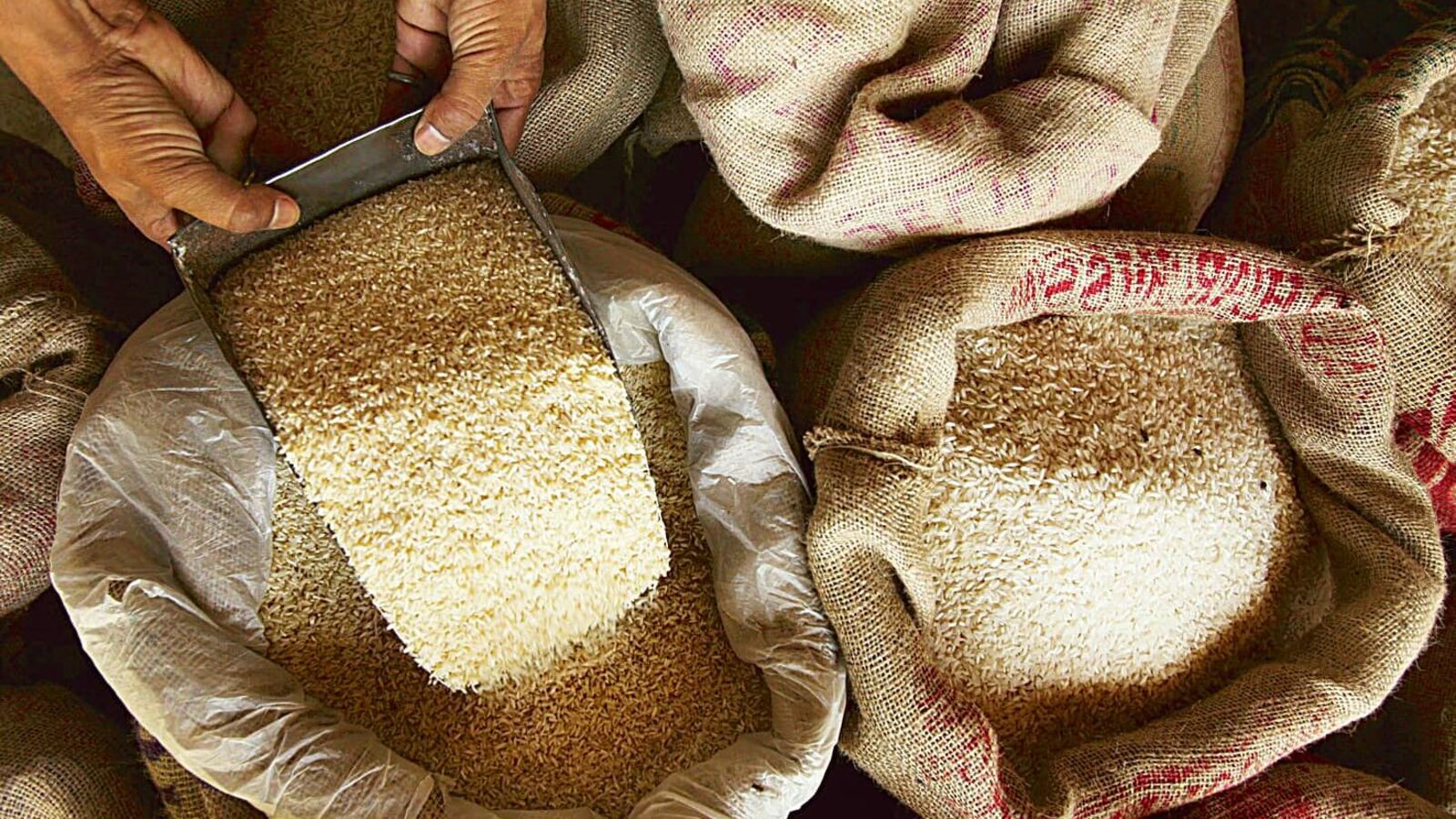

: After Bharat atta (wheat flour) and Bharat dal (pulses), the Centre is now planning to sell Bharat rice at discounted rates to contain rising cereal prices ahead of next year’s general elections, a senior official said. Bharat rice could be offered at 25 a kg through government agencies, such as the National Agricultural Cooperative Marketing Federation of India (Nafed), National Cooperative Consumers’ Federation of India Ltd (NCCF), Kendriya Bhandar outlets and mobile vans, the official said on the condition of anonymity. The move comes at a time the all-India average retail price of rice has touched 43.
3 a kg, up 14. 1% from a year ago, according to latest consumer affairs ministry data. On the rationale behind the plan, the official said, “There is always one motive: curtailing prices and, thus, inflation.
” Queries sent to the consumer affairs, food and public distribution ministry remained unanswered till the press time. Currently, the government sells wheat flour and chana dal (split chickpeas) to consumers under the Bharat brand at concessional rates of 27. 50 a kg and 60 a kg, respectively.
These cereals are sold at more than 2,000 retail points amid concerns over tight supply, which has kept domestic prices firm. The process of selling Bharat rice will be the same as of Bharat dal and atta, the official said. The government has also initiated subsidized retail sales of onion at 25 a kg through various channels, including Safal, the grocery chain of Mother Dairy, which is a subsidiary of the National Dairy Development Board.
In the past few months, the government has taken several steps to stabilize prices of essential food grains, while also ensuring fair prices for farmers. The government banned exports of non-basmati rice in July and imposed an export floor price of $1,200 per tonne for basmati exports in August, which was lowered to $950 a tonne later. Under the Open Market Sales Scheme (OMSS), the Food Corporation of India (FCI) is offering 400,000 tonnes of rice for sale at 29-29.
73 per kg in its weekly e-auctions to increase availability of rice in the domestic market. In its latest auction, FCI could sell 13,164 tonnes of rice against the 193,000 tonnes offered. The government at present has 17.
9 million tonnes (mt) of rice in the central pool as against the 7. 6 mt norm as of 1 January. Cereal prices rose 10.
3% in November, pushing up food inflation to 8. 7% in November from 6. 61% in October.
Food inflation accounts for nearly half of the overall Consumer Price Index (CPI). Last month, S&P Global Commodity Insights said the El Nino weather event may adversely impact rainfall during the winter of 2023, affecting key rabi crops such as wheat, which could raise cereal inflation further. The launch of subsidized food grains shows India’s economic growth figures do not represent the situation at the bottom of the pyramid, said Devendra Pant, chief economist, India Ratings.
“At the top end of the pyramid, income and consumption growth is good, which is not there at the other end of the pyramid. It is a bit perplexing that the government had to come up with Bharat atta even after the free foodgrain distribution. Dal is understandable, but atta means there are still some people who are not part of the free foodgrain distribution scheme.
These are all anecdotal, and suggest that the situation is not very good for the people who come under the lower income bracket,” Pant said. “Two commodities—cereals, and pulses and products—have structural issues with inflation, and contribute to inflation. Cereal prices have been in double digits for a year or so,” he said.
It is unclear why wheat prices are rising since a ban on exports and government stock offloading have increased domestic supplies, Pant added. “CPI will gradually come down to 4% by the end of next fiscal, but inflation is seen averaging at 5. 2-5.
3% at least this fiscal,” Pant said. .
From: livemint
URL: https://www.livemint.com/news/india/bharat-rice-coming-soon-at-25-a-kilo-11703611957536.html